Tuesday, 19 February 2019

Keynote Session


#World Conference on Bacteriology and Infectious Diseases #Keynote Session by Prof. Antonio RL Teixeira on American Trypanosomiasis and Chagas disease: sexual transmission. @ Amsterdam, Netherlands #Bacteriology 2019 #Join the experts meet #Few Speaker slots are available#Conform your Slot @ Bacteriology 2019#


Thursday, 24 January 2019

Be a Speaker


#CONFORM YOUR TALK @ WORLD CONFERENCE ON BACTERIOLOGY AND INFECTIOUS DISEASES# OF YOUR RESEARCH INTEREST# AMSTERDAM, NETHERLANDS.


Wednesday, 23 January 2019

Fungal Infectious Diseases


These infections are commonly called 'ringworm', but are not caused by worms. They are superficial infections of the skin, hair or nails caused by a variety of fungi which otherwise live in the soil, on animals, or sometimes only on people.


Infections are spread by direct skin contact (with humans or animals), or indirectly from contaminated articles on floors or in the soil. Shared changing rooms and showers are often a source of tinea, while some infections are spread by sharing of items such as towels. People shed tiny pieces of skin all the time and if these contain a small amount of the fungus, it is able to survive in the environment and cause infection in someone else.

Tuesday, 22 January 2019

Bacteriology 2019


 Immunology covers all aspects of the interrelationship between bacterial agents and their hosts. Immunology studies the functions, mechanisms and significance of human defence systems in various disease conditions. Every day of our lives, we are exposed to microbes such as bacteria, viruses, and parasites.


The single system in the body that allows life to continue in the face of these assaults is the immune system. The immune system is the network of cells and their biological processes that enable the body to recognize diseased cells or the invasion by microorganisms (bacteria, viruses, parasites, and prions) and eliminate them. Collectively, these two disciplines address how humans and other mammals respond to bacterial disease.


Monday, 21 January 2019

Student Registration


#World Conference on Bacteriology and Infectious Diseases# April 17-18, 2019 #Young Research Scientist #Student Category #Get Certified @ Bacteriology 2019 #Amsterdam#Netherlands.


Bacteriology 2019 @ Register

Saturday, 19 January 2019

Bacterial Pathogenesis


Bacterial pathogenesis is the process by which bacteria infect and cause disease in a host. Not all bacteria are pathogens and have the ability for pathogenesis (also known as virulence). Pathogenic bacteria utilise a number of mechanisms to cause disease in human hosts. One of the Pathogenic Diseases is tuberculosis which is caused by Mycobacterium tuberculosis. It includes other pathogens of bacteria such as Streptococcus and Pseudomonas. These pathogens and form of bacteria causes many foodborne illnesses and infections such as tetanus, typhoid fever and diphtheria.


Microbes express their pathogenicity by means of their virulence. The determinants of virulence of a pathogen are any of its genetic or biochemical or structural features that enable it to produce disease in a host. In bacterial host mediated pathogenesis, (e.g., tuberculosis), tissue damage results from the toxic mediators released by lymphoid cells rather than from bacterial toxins.

Saturday, 12 January 2019

Bacteriology 2019

#World Conference on Bacteriology and Infectious Diseases# April 17-18, 2019 # Conform your session in Bacteriology 2019 of Scientific Program #Special Discounts are Available on Group Registrations #Amsterdam, Netherlands.


Register @ Bacteriology 2019

Friday, 4 January 2019

Thursday, 22 November 2018

REGISTER

World Conference on Bacteriology and Infectious Diseases #CONFORM YOUR SLOT @ BACTERIOLOGY 2019 #hurry up! Make your #moments by #experiencing the #research #Keynote Sessions #Poster Presentations #talks #Workshops with Research Experts @ Bacteriology 2019

#Secure your slots before the #early bird registration date # Register Now
April 17-18, 2019 #Amsterdam, Netherlands


Register @ Bacteriology 2019

Monday, 19 November 2018

Submit Your Research Work

World Conference on Bacteriology and Infectious Diseases #SUBMIT YOUR ABSTRACT @ BACTERIOLOGY 2019 #hurry up! Make your #moments by #experiencing the #research #Keynote Sessions #Poster Presentations #talks #Workshops with Research Experts @ Bacteriology 2019 #April 17-18, 2019 #Amsterdam, Netherlands


Submit your research work @ Abstract Submission

Secure your slots before the #early bird registration date # Register Now


Thursday, 15 November 2018

Bacteriology 2019


Conform your Slot @ Bacteriology 2019


Secure your slots before the early bird date of Registration: Register Now


Wednesday, 14 November 2018

Attractions of Amsterdam

#Amsterdam is the capital of #Netherlands. It is the biggest city of Netherlands with a #tremendous people center point gains the money related, #social and #strip mall point. It got it name from the “#Amstel Dam” and it is completely adjusted around two-#wheeled transportation and roughly 66% of all #voyagesinside the city are taken by bicycle. Netherlands is famous for its #Tulip fields, #Flat Landscapes, Canals, Cycling and #Art Museums. It holds acclaimed places like# Rijksmuseum, #Anne Frank Museum Jordaan (neighborhood), #Vondelpark#Dam Square, #Royal Palace, #Rembrandt House Museum, #Botanical Gardens and the Zoo, #Old Church (Oude Kerk), #Stedelijk: Amsterdam’s Municipal Museum, #Begijnhof and more..... to see, enjoy the #City attractions by attending #Bacteriology 2019


Saturday, 10 November 2018

staphylococcus Bacteria


Food Poisoning Bacteria


Staphylococcal-food-poisoning-medical-concept-3d-illustration-showing-cake-as-affected or containing staphylococcus, the food poisoning Bacteria. It is a common food taken mostly by the children frequently and affected by the diseases due to because of Food Poisoning Bacteria

Friday, 9 November 2018

Inflammatory Infectious Diseases

An Inflammatory disease understands the host body’s mechanism and demonstrates the final outcome of infection can be determined by the host genetic makeup of the infecting agent. 


The advancement in in molecular biology and medical devices modernized ability to detect very low numbers of infectious agents in specimens collected directly from the affected site. Most of the diseases caused by infectious agents can be discussed their progression with a wide spectrum of clinical manifestations and their outcomes in Infection congress 2019.

Thursday, 8 November 2018

Food Poisoning Bacteria


Most Common bacteria that causes Food poisoning Bacteria was Salmonella Bacteria. Listeria bacteria can contaminate fresh produce, like cantaloupes, as well as some processed foods, like cheeses. Symptoms of infection include fever, muscle aches, upset stomach, or diarrhea. Salmonella bacteria can taint any food, although there's a greater risk from animal products because of contact with animal feces. In chickens, it can infect eggs before the shell forms, so even clean, fresh eggs may harbor salmonella. 


E. coli lives in the intestines of cattle and can contaminate beef during the slaughtering process. Ground beef is especially risky, because the bacteria can spread when meat is ground up. Symptoms of E. coli infection include severe abdominal cramps, watery diarrhea, and vomiting. The illness typically develops several days after exposure and can be severe in vulnerable people. Clostridium perfringens is a type of bacteria that causes cramps and diarrhea lasting less than 24 hours. Stews, gravies, and other foods that are prepared in large quantities and kept warm for a long time before serving are a common source of C. perfringens infections. 


Vibrio vulnificus is a bacteria that lives in warm seawater and can contaminate shellfish, particularly oysters. V. vulnificus infection causes the same gastrointestinal symptoms as many other foodborne illnesses, but in people with weakened immune systems it can develop into a life-threatening blood infection. Salmonella is an extremely common type of bacteria. These rod-shaped organisms can be found in both cold-blooded and warm-blooded animals across the world. They are also one of the most common causes of sickness in human beings. Salmonella poisoning can infect people in one of two ways. It is most often spread from animals to people through the food supply. This is how the bacteria can cause the nauseating disease gastroenteritis.

Monday, 5 November 2018

Organizing Committee Members


World conference on bacteriology and Infectious Diseases


Experts Gathering meet @ Bacteriology 2019


Present @ Bacteriology 2019

Submit your talk: Abstract Submission

Conform your slot : Register

Thursday, 25 October 2018

Salmonella Bacteria

Salmonella infection (salmonellosis) is a common bacterial disease that affects the intestinal tract. Salmonella bacteria typically live in animal and human intestines and are shed through feces. Humans become infected most frequently through contaminated water or food.


Salmonella is a genus of rod-shaped (bacillus) Gram-negative bacteria of the family Enterobacteriaceae. The two species of Salmonella are Salmonella enterica and Salmonella bongori. S. enterica is the type species and is further divided into six subspecies that include over 2,600 serotypes.

Salmonella enterica is a rod-shaped, flagellate, facultative aerobic, Gram-negative bacterium and a species of the genus Salmonella. A number of its serovars are serious human pathogens.


Salmonella bongori is a pathogenic bacterium belonging to the genus Salmonella, and was earlier known as Salmonella subspecies V or S. enterica subsp. bongori or S. choleraesuis subsp. bongori. It is a Gram-negative, rod-shaped bacterium (bacillus), which causes a gastrointestinal disease called salmonellosis, characterized by cramping and diarrhoea. It is typically considered a microbe of cold-blooded animals, unlike other members of the genus, and is most frequently associated with reptiles.


Monday, 22 October 2018

AMSTERDAM, NETHERLANDS

#Netherlands is a beautiful country located in the North-western part of Europe with serene and calm landscapes and canals. Amsterdam is the capital of Netherlands. Netherlands is famous for its Tulip fields, flat landscapes, Canals, Cycling and Art Museums. Amsterdam is home to the prestigious Rijks museum, Van Gogh Museum and the house where Jewish diarist Anne Frank hid during WWII. With so many buildings and trees on the canal sides Amsterdam is one big treat for the body and soul. The Netherlands has long lasting history of social tolerance and is commonly regarded as a liberal country, having legalized abortion, prostitution and euthanasia, and even maintaining a progressive drugs policy.


Netherlands opened the world of liberalism when it accepted LGBT communities and also legalized same sex marriage for the first time in the world. Netherlands is the world’s second largest agricultural exporters after USA. On the outskirts of Lisse lies the Keukenhof which is the largest public garden in the world encompassing more than 70 acres of what was once the former kitchen garden of a large country estate. Netherlands have so much to offer, there are many charming towns and villages in this small yet fascinating country to explore. 


Thursday, 18 October 2018

Keynote Session

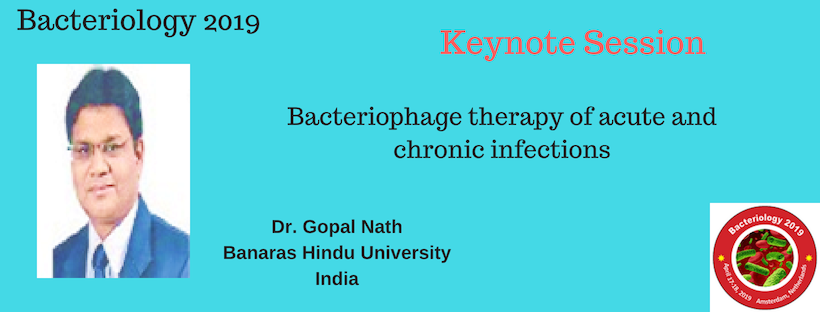
#World Conference on Bacteriology and Infectious Diseases #KeynoteSession by Dr. Gopal Nath on Bacteriophage therapy of acute and chronic infections @ Amsterdam, Netherlands #Bacteriology 2019 
#Join the experts meet #Conform your Slot @ Bacteriology 2019#


Tuesday, 16 October 2018

Student Ambassador

Be the #Student Ambassador for #World Conference on Bacteriology and Infectious Diseases#April 17-18, 2019 @ Amsterdam, Netherlands

Join in  #Bacteriology 2019# Conference 

#SPECIAL DISCOUNTS FOR GROUP REGISTRATION#

Hurry Up!!!!

Conform your Slot @ Bacteriology 2019

To learn more about the conference with experts guidance in Amsterdam, Netherlands


Benefits of Student Ambassador:
  •    Free Pass (Accommodation and Registration) will be provided to the Student Ambassador who comes in a group of 5 or more.
  •    Special Registration package on Group Registration
  •    Promotion through Social Media
  •    Certificate of Acknowledgement and Momentos
  •    If you prefer, you can give a talk or present poster on the topic of your own interest.